 +44 (0)208 54 22 333 |
 hello@kpr.global |
 Login

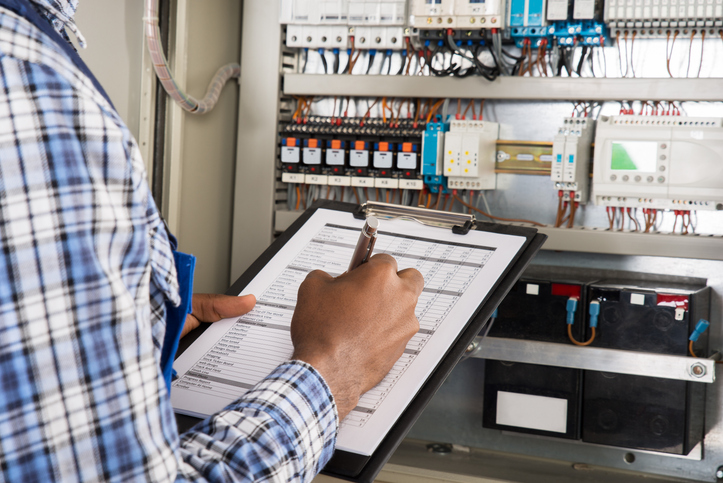
An Electrical Installation Condition Report (EICR) is a format document that assesses the safety of a building’s electrical systems. It is also known as a hard wire test, periodic inspection, or electrical safety certificate. An EICR report must be conducted by a qualified electrician. The report identifies any electrical issues and remedial action or work that a landlord or managing agent must have conducted and what cause of action is required to make the electrical installation safe.
Are EICRs a legal requirement?
EICRs are not a legal requirement, but it is mandatory for landlords to obtain a report on their rented property at the beginning of a tenancy; a copy must then be given to the tenant within 28 days of receiving a request for the report.
An EICR must be kept valid at least every five years. This also applies to HMOs, but a copy of the report must instead be supplied to the local authority within 7 days of receiving the report request.
Who needs an EICR?
Landlords and business owners must ensure their electrical installations are safe, as failure to comply with safety regulations can result in heavy penalties.
Local authorities can fine landlords up to £30,000 for an EICR breach. This is because it relates to two important laws – The Health and Safety at Work Act (1974) and Electricity at Work Regulations (1989). EIRCs became compulsory as of 1st April 2020, and in July 2020, all new tenancies required an EICR. From 1sr April 2021, this requirement applied to all tenancies, new and existing.
How much will an EICR cost for my property?
This, of course depends on the size of the property, but they are between £100 to £300+.
How often do I need an EICR report on my rental property?
For rental properties and HMOs, EICR inspections must be conducted every five years. Although not a legal requirement, it is recommended to renew an EICR when there is a change in tenancy, as this will offer peace of mind that there are no issues at the start of a new tenancy.
What will be inspected and assessed?
The ‘fixed’ electrical parts of the property, such as the wiring, the plug sockets, the light fittings, and the consumer unit (fuse box) will be inspected.
What happens during the inspection?
They will undertake a test of the electrical installations in the home, using specialised equipment. They may need to disconnect the electrical installations from the mains supply whilst they assess them.
The inspection will identify whether:
- any of your electrical installations are overloaded.
- there are any potential electric shock risks and fire hazards.
- there is any defective electrical work.
- there is a lack of earthing or bonding – these are two ways of preventing electric shocks that are built into electrical installations.
They will then produce the EICR certificate. This report details the condition of the electrical installations and any remedial works or further investigations which may be needed.
What about electrical appliances such as cookers, fridges, televisions?
An EICR can often be confused with a Portable Appliance Test (PAT); the Regulations do not cover portable electrical appliances, only the fixed electrical installations. A PAT should be conducted on any electrical appliance that is provided within the property provide and supply you with a record of any electrical inspections conducted as good practice.
Registering electrical appliances with a product registration scheme is also good practice.
What happens after the EICR inspection?
A copy of the report will be given to the property owner or managing agent. They must act on any of the issues raised in the report within 28 days, or sooner if specified in the report.
If no serious hazards are identified?
The inspector will draft a report and give this to the property owner or managing agent. They should then forward a copy of the report to the tenant (usually an Electrical Installation Condition Report or EICR) within 28 days and no further action will be taken.
If serious hazards are identified?
They will be detailed in the report. The report will say if there is a risk of injury, if the electrical installation is potentially dangerous, or if further investigation is required without delay.
The inspector may conduct safety works straight away if this is necessary.
What if tenants are worried about letting people into their home?
If for any reason, a tenant wishes to avoid people entering their property, they may be reluctant to allow property owners, managing agents, or their contractors to enter their homes. In these cases, it is important to explain to them why these checks are necessary. The Regulations require property owners to have the electrical installations in their properties inspected and assessed by a person who is qualified and competent, at least every 5 years.
When commissioning an inspection, the property owner or managing agent must source a certified person, or scheme with adequate insurance and hold a qualification covering the current version of the Wiring Regulations and the periodic inspection, testing and certification of electrical installations.
The tenant must be given at least 24 hours’ notice before a visit. Should the tenant feel concerned that the person is not qualified and competent, they do not have to let them into their home and can ask the person to show their ID upon arrival and check the details with whoever arranged the appointment.
Who is exempt from these Regulations?
There are some tenancy types that are not covered by these Regulations. These include private registered providers of social housing, shared accommodation with a property owner’s family (e.g. lodgers), those on a long lease of 7 years or more, student halls of residence, hostels and refuges, care homes, hospitals and hospices, and other accommodation relating to healthcare provisions.
How long do property owners have to do any remedial work identified on the report?
Property owners will have 28 days (or less if the inspector thinks the work should be completed sooner) to conduct necessary works. If tenants are concerned that their rented home is not in a suitable condition, they may have grounds to use the Homes (Fitness for Human Habitation) Act 2018 to take their property owners to court if their property is unfit, which could include being unsafe due to faulty electrical installations. The courts can then order the property owner to pay their tenants compensation for the period the property was unsafe.
Can Proptech play a part in electrical installations compliancy?
It can! Choosing the right property software can be an overwhelming task today, however, it is important to choose uncomplicated, time efficient and reliable software that works for you and your business – even for those who consider themselves novices to technology. Automation software with reminders ensures that you stay compliant, so you never miss a deadline, and certificate renewals will never be overlooked.
At KPR we understand the demands of the industry and strive to address the issues agents and property owners face.
We have our own in-house development team with knowledge on modem technology and methodologies, which keep KPR software current, and always focusing on the next level.
If you would like to speak with us about how we can assist you and your business, feel free to speak with our helpful team today!
0208 542 2333
hello@kpr.global


